Read Time: 9 min
When planning a new garage, workshop, or hobby barn, the first decision you’ll face is the construction method. In Central Pennsylvania, the choice usually comes down to two proven systems: post-frame (pole building) or traditional stick-frame construction. Both result in a high-quality, durable structure, but they serve different needs and budgets.
At Rocky Mountain Contractors, we specialize in both post-frame and stick-frame construction. Because we build both systems across Northumberland and the surrounding counties, we don’t have a “favorite” to sell you. Instead, our goal is to help you understand the engineering, cost, and long-term utility of each so you can make the right choice for your specific project.
TL;DR / Quick Summary
While post-frame construction excels in speed and open-span efficiency and stick-frame is the traditional choice for residential-grade finishes, both methods are highly versatile and can be adapted to almost any project. Ultimately, the best choice depends on your specific goals, and we are here to build whichever version fits your vision.
Key Takeaways:
- Post-frame uses large, deeply anchored posts and requires no continuous concrete footer.
- Stick-frame uses a traditional foundation and is ideal for buildings that will be fully finished with drywall and HVAC.
- Both methods are structurally sound and can be used for garages, shops, or even living spaces.
- The choice between the two often comes down to your preferred timeline, budget, and architectural style.
- Rocky Mountain Contractors provides professional design and construction for both systems.
Understanding the Engineering: Post-Frame vs. Stick-Frame
The primary difference between these two methods is how the building’s weight is transferred to the ground.
Post-Frame Engineering
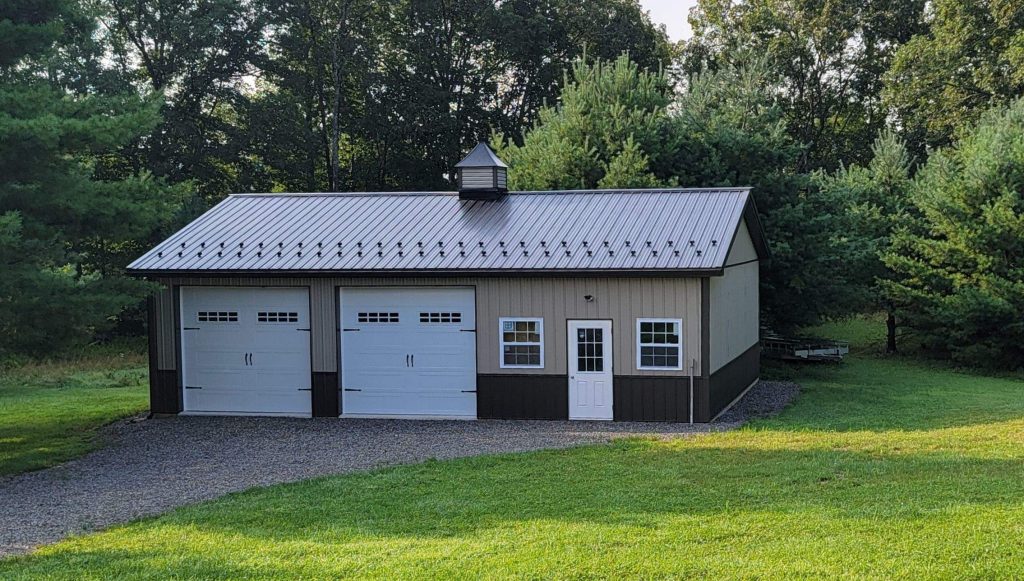
Post-frame buildings (often called pole buildings) use large, pressure-treated posts spaced 8 to 10 feet apart. These posts are either buried 4 feet deep or mounted to concrete piers. The posts support the entire roof load, which eliminates the need for interior load-bearing walls. This creates the massive, open-span interiors that make post-frame perfect for agricultural barns and large equipment shops.
Stick-Frame Engineering
Stick-frame is the traditional method used in modern home building. It requires a continuous concrete footer and a foundation wall around the entire perimeter. The weight of the building is distributed across many smaller 2×4 or 2×6 studs spaced 16 inches apart. This creates a very rigid wall structure that is perfectly suited for traditional residential finishes like drywall, insulation, and complex window/door layouts.
Scenario 1: When Post-Frame Shines
Post-frame construction is a powerful choice when you need a lot of square footage and open space quickly.
- Large Workshops and Barns: If you need a 40’x60′ space with no interior pillars, post-frame is the most efficient way to achieve it.
- Challenging Terrain: Because post-frame doesn’t require a continuous footer, it is often easier (and cheaper) to build on sites that aren’t perfectly level.
- Speed of Construction: A post-frame shell can often be “dried-in” in about half the time of a stick-frame building because the foundation and framing phases are simplified.
Scenario 2: When Stick-Frame Shines
Stick-frame construction is often the preferred choice for buildings that will serve as an extension of your home’s living space or require complex interior layouts.
- Residential Living Quarters: If you are building a “barndominium” or a guest house with multiple rooms, stick-frame makes plumbing, electrical, and drywall installation much more straightforward.
- Architectural Matching: If you want your new garage to perfectly match the steep roof pitches and complex siding details of your existing home, stick-frame offers more granular design flexibility.
- Strict Zoning Areas: Some high-density residential areas in PA have zoning codes that prefer or require traditional continuous foundations.
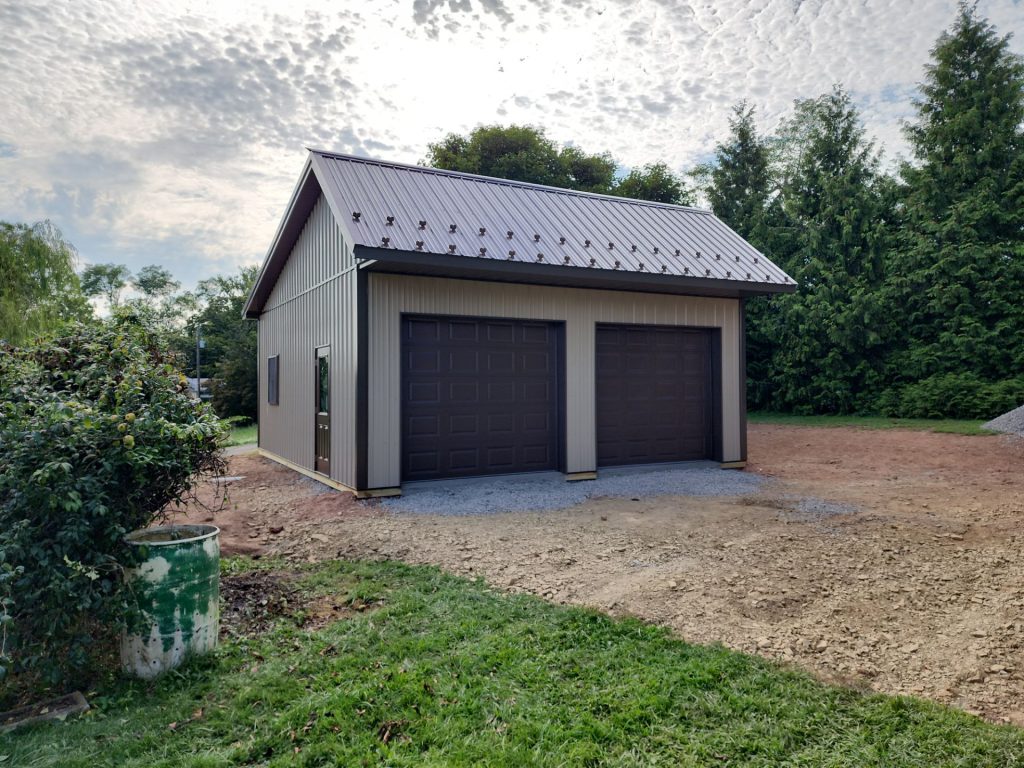
Cost Comparison: Upfront vs. Long-Term Value
We believe in transparency when it comes to budgeting. While post-frame is often cited as the “cheaper” option, the reality depends on your final goals.
Foundation and Labor Savings
For a standard 30’x40′ shop, post-frame can save you $5,000 to $12,000 on foundation costs alone. Because the framing is less labor-intensive, you also save on the total man-hours required to finish the shell.
Finishing Costs
If you plan to fully finish the interior with drywall and climate control, the cost gap between the two methods begins to close. Stick-frame walls are already “drywall-ready” at 16-inch centers, whereas post-frame requires additional “girts” or interior framing to support residential finishes.
Regardless of which method you choose, we offer flexible financing through Hearth to help you build the right structure for your needs without compromising on quality.
Maintenance and Longevity
Both systems are designed to last 50+ years when built by professionals.
- Post-Frame: Modern UC4B pressure-treated posts are rated for “critical structural” ground contact and are highly resistant to rot.
- Stick-Frame: The concrete foundation keeps all wood members well above the soil, which is the traditional approach to long-term durability.
According to the National Frame Building Association (NFBA), post-frame buildings are just as structurally sound as stick-frame when engineered for local PA snow and wind loads.
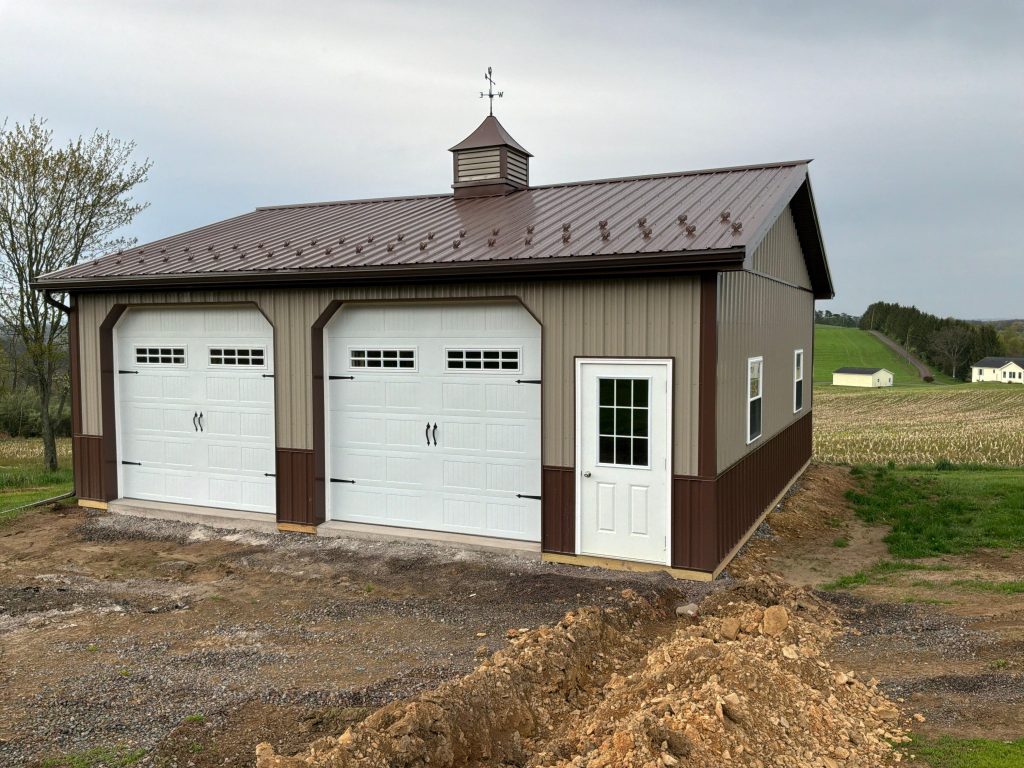
DIY vs. Professional Guidance
Choosing between these two systems is a big decision. While some homeowners attempt to “kit build” small post-frame sheds, a full-scale garage or barn requires professional engineering.
Tasks Most Homeowners Can Do
- Site Selection: Identifying the flattest area of your property with the best access.
- Permit Research: Visiting your local township to ask about setbacks for both “accessory structures” (post-frame) and “residential additions” (stick-frame).
When to Call a Professional
- Structural Design: We provide free blueprints for both post-frame and stick-frame projects to ensure your building meets the PA Uniform Construction Code.
- Foundation Work: Whether it’s setting posts or pouring a continuous footer, the foundation is the one place you cannot afford a mistake.
- Framing and Roofing: Ensuring the building is square, level, and weather-tight requires a professional crew and specialized equipment.
Conclusion
At Rocky Mountain Contractors, we don’t believe in a “one-size-fits-all” approach. While each construction method has specific scenarios where it shines, both post-frame and stick-frame are incredibly capable systems that can be adapted to suit almost any vision. Ultimately, the choice is yours. Whether you prefer the efficiency of post-frame or the residential precision of stick-frame, we are proud to offer both construction methods to our neighbors in Central Pennsylvania, ensuring you get the best building for your specific needs.
If you’re ready to compare designs, we’re here to help. Contact us today for a custom quote and free blueprints for your project.
Serving Northumberland, Danville, Lewisburg, Bloomsburg, Catawissa, and the surrounding Central Pennsylvania area.
Frequently Asked Questions
Does RMC build both pole barns and stick-built garages?
Yes. We are a full-service custom builder. We specialize in both post-frame (pole buildings) and traditional stick-frame construction to give our clients the most options.
Which is cheaper, post-frame or stick-frame?
Generally, post-frame is 20–30% less expensive for the initial shell, primarily due to savings on the concrete foundation and labor. However, for fully finished residential spaces, the costs can be very similar.
Can a pole building be as well-insulated as a stick-built home?
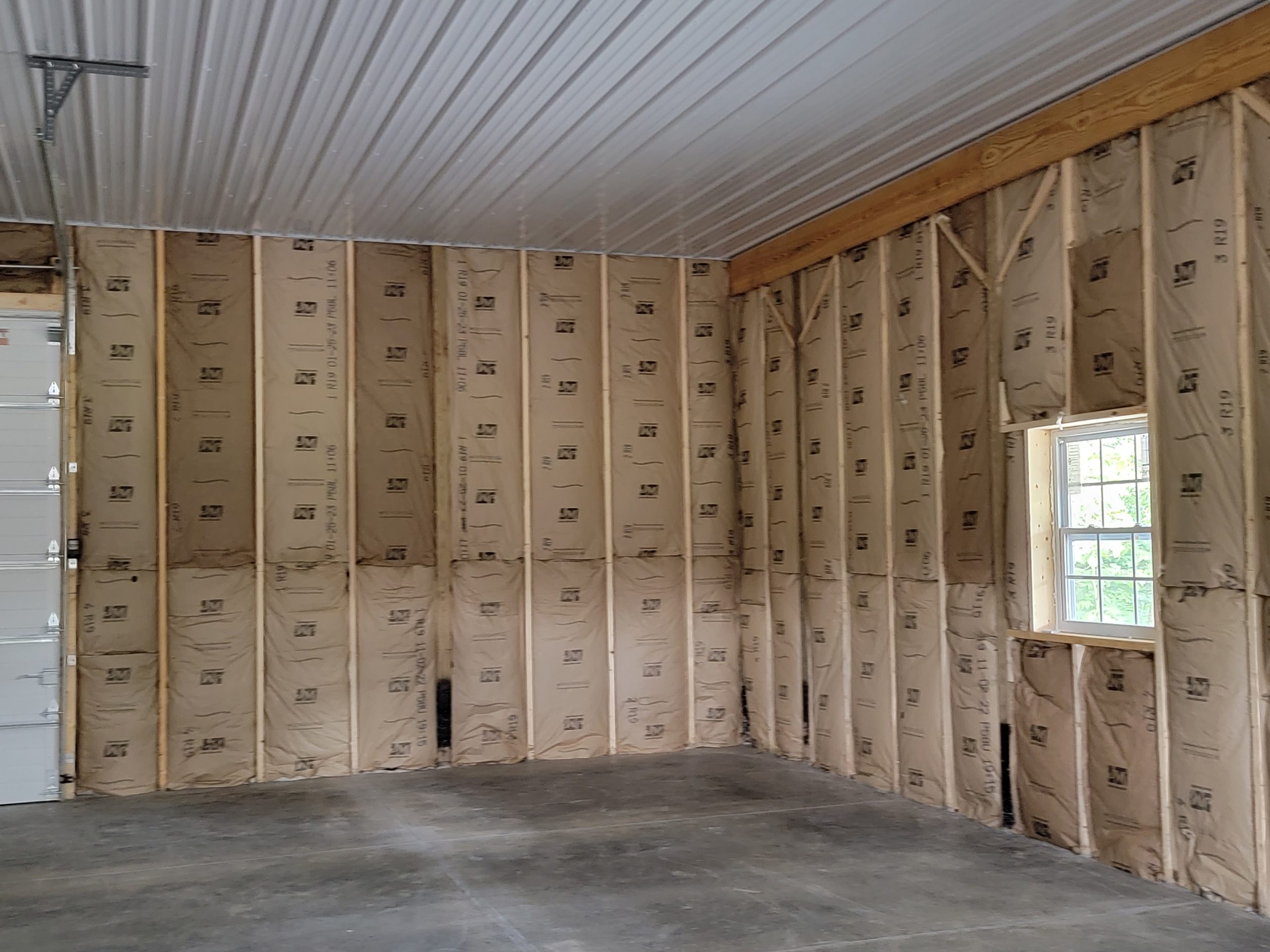
Absolutely. In fact, because post-frame has fewer “thermal bridges” (posts are 8 feet apart vs. studs at 16 inches), it can actually be more energy-efficient when properly insulated with spray foam.
Which construction method takes longer?
Stick-frame typically takes 3–5 weeks longer because of the time required to excavate, pour, and cure a continuous concrete foundation.
Do I need different permits for post-frame vs. stick-frame?
In Pennsylvania, both require zoning and building permits if they are over 1,000 sq. ft. However, some townships have specific rules about foundation types that may influence your choice.
Sources:
- National Frame Building Association (NFBA) — Post-frame vs. stick-frame engineering and efficiency research.
- PA Department of Labor & Industry — Pennsylvania Uniform Construction Code (UCC) for residential and accessory structures.