
.
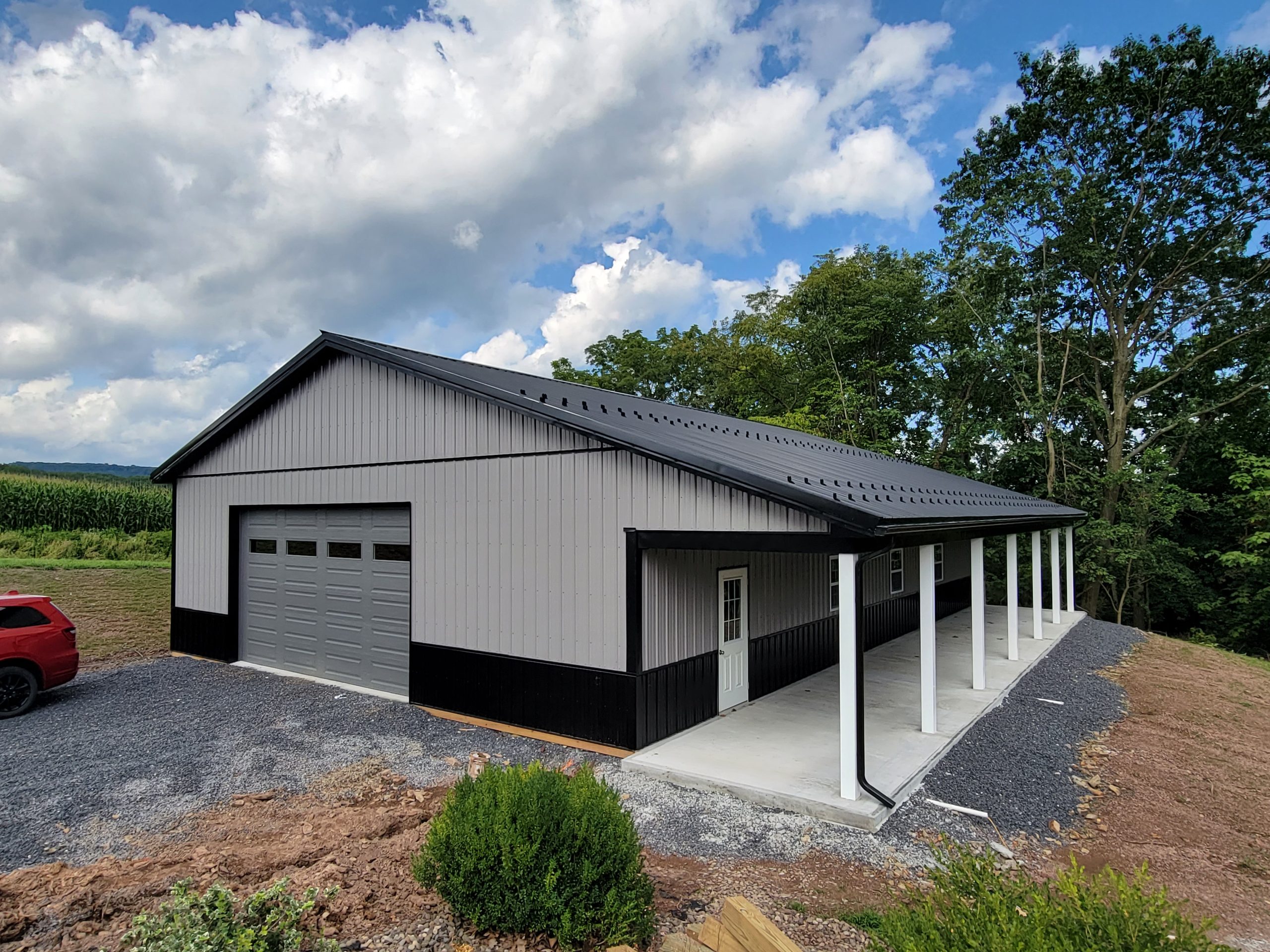
Picking the right building starts with the budget. This guide compares custom pole buildings and steel construction so you can see how upfront price, ongoing maintenance, and customization affect the bottom line. We’ll walk through initial costs, long‑term upkeep, design flexibility, financing options, and local factors in Pennsylvania that commonly change project costs, so you can decide with confidence whether a pole building or a steel structure is the smarter choice for your needs.
Upfront costs can make or break a project. Custom pole buildings generally come in lower on material costs than steel, which makes them attractive when the budget is tight. Still, material choices, build methods, and site conditions create widely different price points, so don’t assume one option always costs less.
Materials drive most of the sticker price. Pole buildings rely on wood framing and siding, which is usually cheaper than steel, but lumber prices can swing with the market. Steel costs more up front but offers greater resistance to weather and pests. To judge value, weigh initial price against expected maintenance and replacement costs over the life of the building.
Labor and foundation work affect the total cost just as much as materials. Pole buildings use simpler framing techniques that often reduce labor time. Steel structures typically need more exact foundation work and experienced crews, which can raise costs. Local labor rates and site complexity also matter, so get estimates from contractors familiar with your area.
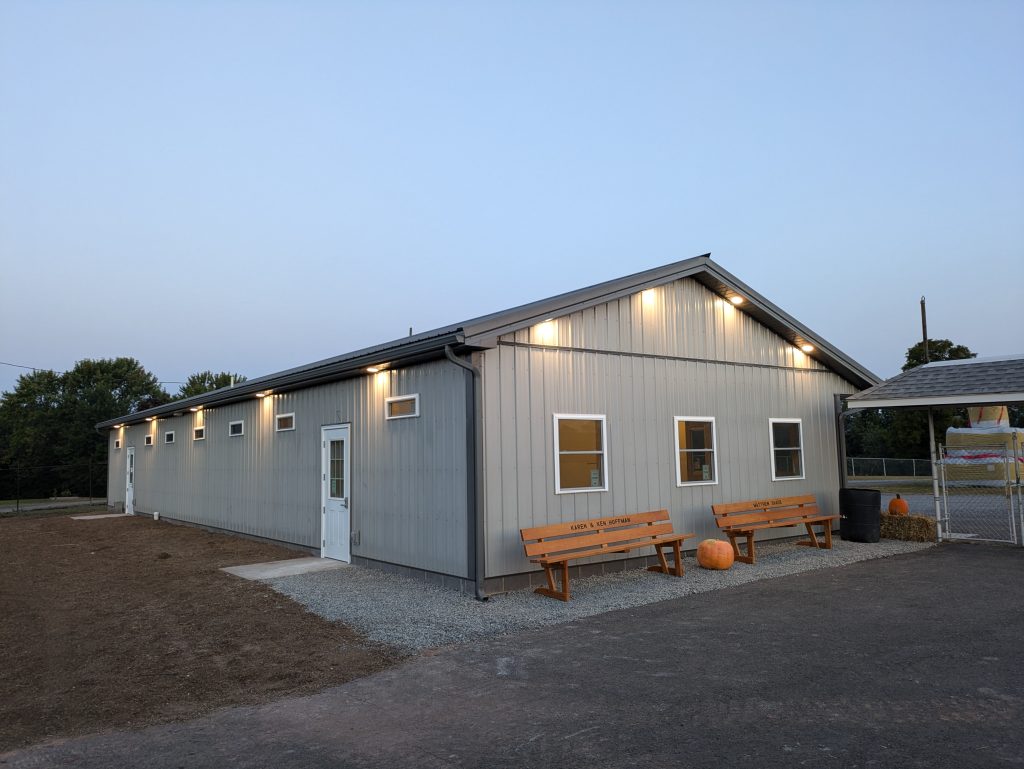
Longer‑term expenses change the picture. A lower upfront cost doesn’t always mean lower lifetime cost. Factor in routine upkeep, likely repairs, and expected lifespan when comparing options.
Pole buildings usually need regular checks on wood components to prevent rot, moisture damage, and pests, plus periodic painting or sealing. Steel buildings resist rot and many weather issues and generally require less frequent maintenance, though coatings and fasteners should be inspected over time. Those differences often make steel cheaper to own over many years.
Durability affects replacement and repair cycles. Steel tends to last longer under harsh conditions, translating to lower long‑term repair costs. Pole buildings can be perfectly serviceable for many years, especially with good maintenance, and their lower initial cost may be the right tradeoff depending on your budget and intended use. Match expected lifespan to your plans before deciding.
Design choices and future expansion plans change cost expectations. Understanding each method’s flexibility helps you budget for the features you want.
Pole buildings are known for straightforward layouts and relatively easy expansions, which is useful if you expect to grow or change use. Steel buildings are highly engineered and also customizable, but structural considerations can make later alterations more complicated or costly. Plan ahead to keep future modification costs down.
Pole buildings can be tailored to blend with rural or traditional settings and offer a warm, familiar look. Steel buildings deliver a clean, modern appearance and can be engineered to meet specific functional needs like wide, clear spans. Your aesthetic and operational priorities should guide the design decisions that will affect cost.
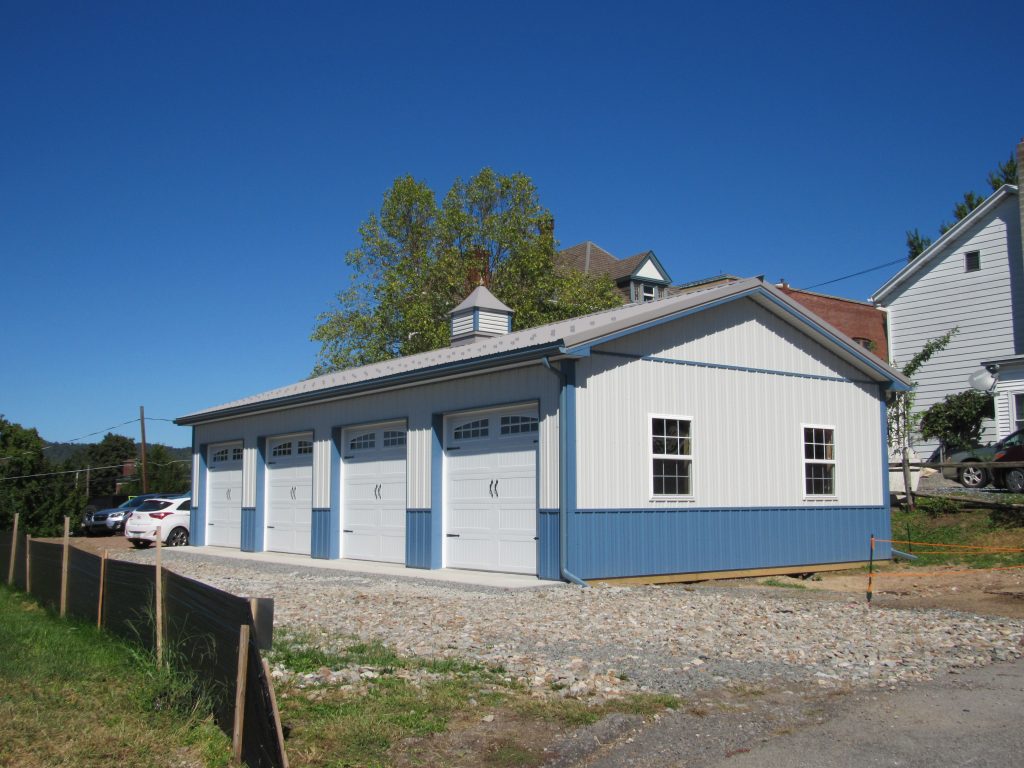
Where you build and how you fund the project affect the final price. Local codes, weather patterns, site conditions, and financing options are all part of the equation.
Several financing routes are common: contractor financing programs, construction loans, or traditional lenders. Some owners use home‑equity or other loan products depending on the project. Talk with your contractor and local lenders to find financing that fits your timeline and cash flow.
Pennsylvania’s codes, snow loads, wind, and seasonal moisture influence material choice and structural design. In areas with severe weather, steel’s strength and resilience can be a decisive advantage. Always consult local builders and code officials to ensure compliance and a design suited to your site.
| Construction Type | Initial Cost | Long-Term Maintenance | Durability | Customization Options |
|---|---|---|---|---|
| Custom Pole Barns | Lower | Higher | Moderate | High |
| Steel Buildings | Higher | Lower | High | Moderate |
Both custom pole buildings and steel structures have clear advantages. Pole buildings offer lower upfront costs and strong flexibility, while steel delivers long‑term durability and lower maintenance. The right choice depends on your budget, how you’ll use the building, and local site and code conditions. Talk with local experts, get multiple estimates, and weigh upfront price against ownership costs to choose the best fit for your project.

| Website By ZIMMERMAN | All Rights Reserved