Read Time: 10 min
For Pennsylvania homeowners, the roof is the first line of defense against a climate that ranges from heavy winter snow loads to humid, high-heat summers. While asphalt shingles have been the traditional choice for decades, metal roofing has rapidly become the preferred solution for those seeking a “lifetime” roof.
At Rocky Mountain Contractors, we have been installing high-performance exterior systems across Northumberland and the surrounding counties since 2004. We’ve seen firsthand how a properly installed metal roof doesn’t just protect a home—it transforms its energy efficiency and long-term resale value.
TL;DR / Quick Summary
Metal roofing is a superior long-term investment for Pennsylvania properties, offering 50+ years of durability, exceptional snow shedding, and significant cooling savings during the summer months.
Key Takeaways:
- Standing seam systems offer the best leak protection for residential homes due to hidden fasteners.
- Metal roofs reflect solar heat, reducing summer cooling costs by up to 25%.
- In PA, metal is the most effective material for preventing ice dams and managing heavy snow.
- Modern metal roofs have a service life of 50–80 years with minimal maintenance.
- While the upfront cost is higher than shingles, the 50-year ROI is significantly better.
- Rocky Mountain Contractors provides professional installation for both residential homes and custom pole buildings.
Standing Seam vs. Corrugated Metal: Choosing the Right System
Not all metal roofs are created equal. The two primary styles used in Central Pennsylvania serve very different purposes.
Standing Seam (Hidden Fastener)
Standing seam is the gold standard for residential roofing. The panels are joined by a raised seam that “snaps” together, hiding the screws underneath the metal. Because the fasteners are not exposed to the elements, there is virtually zero risk of leaks caused by backed-out screws or degraded rubber washers. It provides a sleek, modern look that is highly sought after in the Harrisburg and Lewisburg markets.
Corrugated Metal (Exposed Fastener)
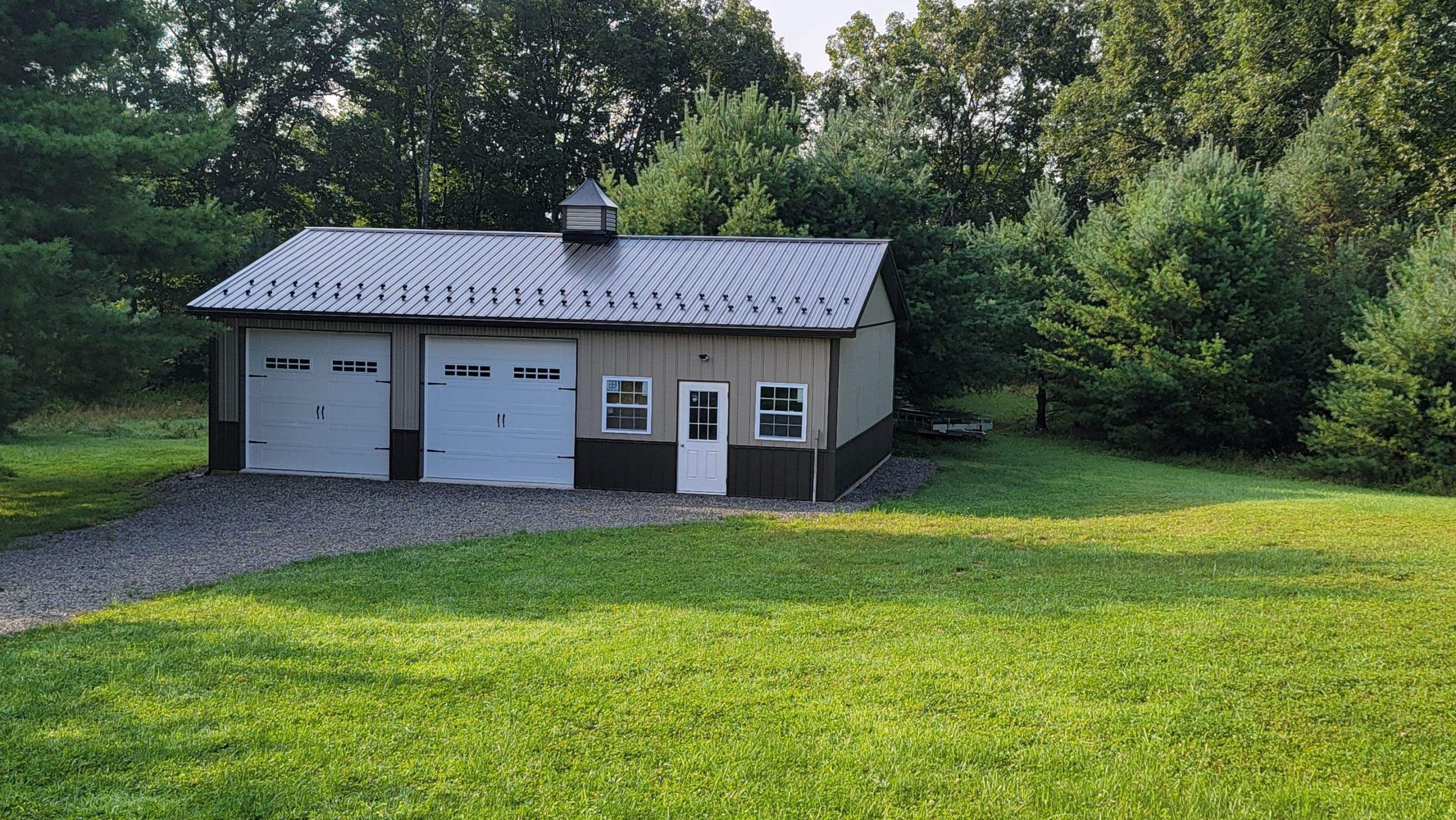
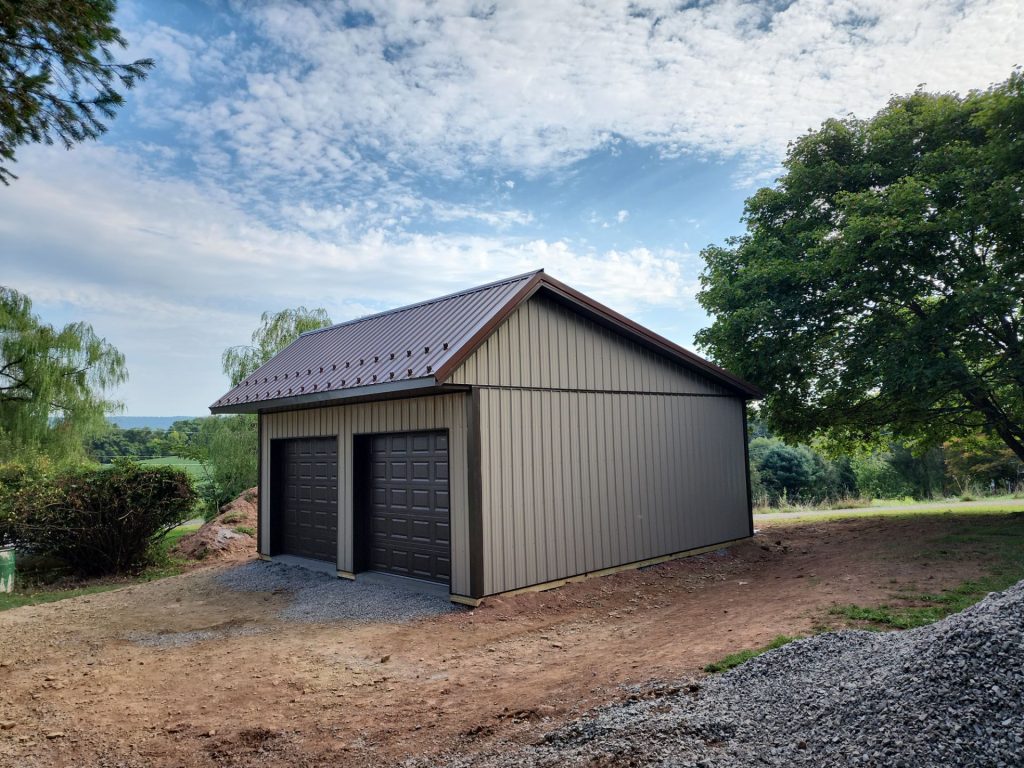
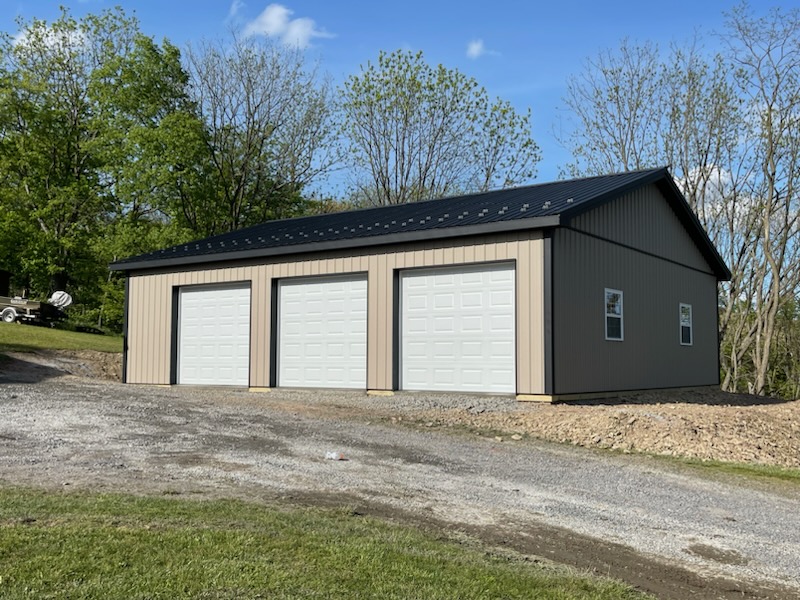
Corrugated or “AG” panels are the cost-effective choice typically seen on agricultural pole barns and sheds. The screws are driven directly through the face of the metal. While this system is incredibly durable and perfect for outbuildings, the exposed fasteners require a maintenance check every 10–15 years to ensure the rubber gaskets haven’t weathered.
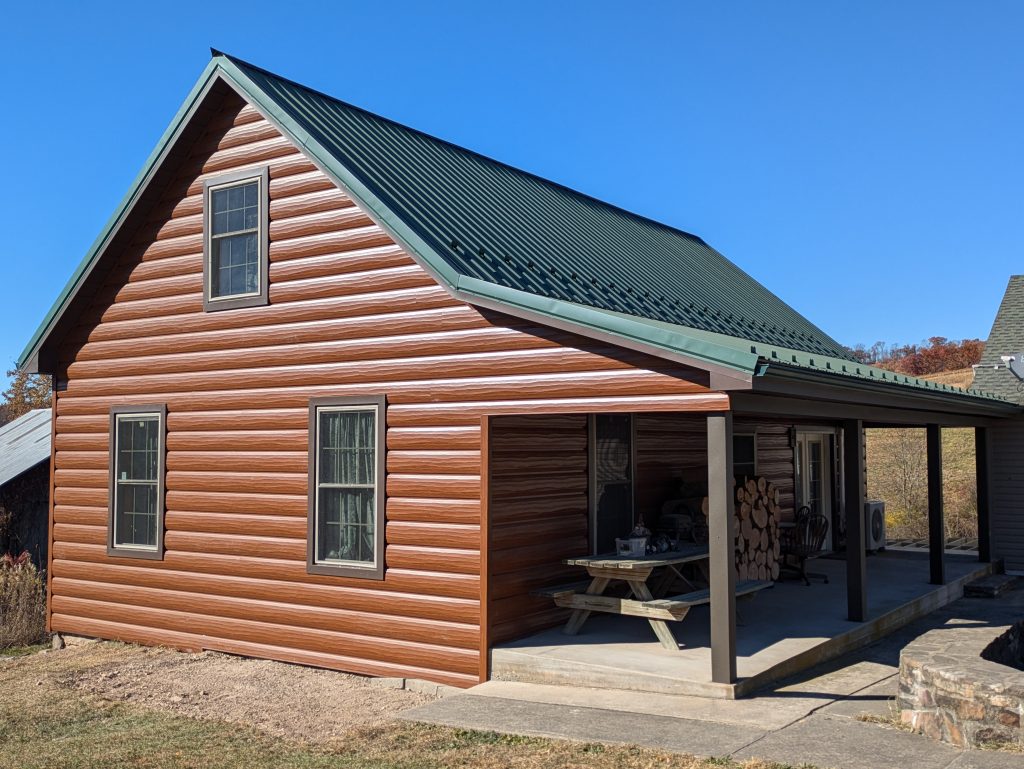
Summer Performance: Energy Efficiency in the Heat
A common misconception is that metal roofs make a home hotter in the summer. In reality, the opposite is true. Asphalt shingles act like a thermal sponge, absorbing solar radiation and radiating that heat into your attic long after the sun goes down.
Solar Reflectance
Modern metal roofing is coated with “cool roof” pigments that reflect a high percentage of the sun’s energy. According to the Metal Roofing Alliance (MRA), a reflective metal roof can reduce the temperature of your attic by as much as 30 degrees during a humid Pennsylvania July.
Thermal Emittance
Beyond reflection, metal has high thermal emittance, meaning it quickly releases any heat it does absorb. This prevents the “heat soak” effect common with shingles, allowing your air conditioning system to run less frequently and lowering your monthly utility bills.
Winter Performance: Snow Shedding and Ice Dam Prevention
In Central Pennsylvania, winter weather is the ultimate test for a roof. Metal roofing excels in cold climates because of its unique physical properties.
Managing Heavy Snow Loads
A major concern in our region is the weight of accumulated snow on a roof deck. Metal’s smooth, low-friction surface allows snow to slide off in small amounts before it can accumulate into a dangerous, heavy mass. This reduces the structural stress on your trusses and prevents the “roof collapse” anxiety that often follows a major PA blizzard.
Eliminating Ice Dams
One of the biggest winter headaches for PA homeowners is the ice dam—a ridge of ice that forms at the edge of a roof and prevents melting snow from draining. When water gets trapped behind an ice dam, it backs up under shingles and into your ceilings. Metal roofing is the most effective solution for this problem. Because the surface is slick and sheds snow quickly, there is no “snow pack” left to melt and refreeze at the eaves, protecting your gutters and your interior from water damage.
Maintenance and Longevity: The 50-Year Outlook
When you invest in a metal roof, you are essentially buying the last roof you will ever need for your home.
Weather Resistance
In Central PA, we deal with everything from hail to 60-mph wind gusts. Metal roofing is rated for winds up to 140 mph and is naturally fire-resistant. Unlike shingles, which can become brittle and crack over time, metal remains ductile and maintains its structural integrity for decades.
Minimal Maintenance Requirements
While an asphalt roof requires regular checks for missing granules or curling shingles, a metal roof is largely “set it and forget it.” Aside from ensuring your gutters are clear and checking the flashing around chimneys after a major storm, a metal roof requires very little intervention to reach its 50-to-80-year service life.
DIY vs. Professional Guidance
While some homeowners attempt to install metal on small sheds or carports, residential roofing requires specialized equipment and expertise.
Tasks Most Homeowners Can Do
- Annual Inspections: Using binoculars to check for debris in the valleys or loose flashing after a major storm.
- Gutter Cleaning: Ensuring that the high-speed runoff from a metal roof can flow freely through your gutter system.
When to Call a Professional
- Standing Seam Installation: This requires specialized roll-forming and crimping tools that are not available at standard hardware stores.
- Flashing and Penetrations: Properly sealing around chimneys, skylights, and vent pipes is the most technical part of the job. A single mistake here can lead to years of hidden water damage.
- Safety: Working on metal is significantly more dangerous than shingles, as the surface can be incredibly slick even with a light morning dew.
The Real Cost of Metal Roofing in Pennsylvania
We understand that budget is a primary concern for any home improvement project. It is important to view metal roofing as a long-term financial strategy rather than a simple repair.
Upfront Investment
On average, a corrugated metal roof in PA ranges from $5.00 to $8.00 per square foot installed, while a premium standing seam roof can range from $10.00 to $16.00 per square foot. For comparison, a standard asphalt shingle roof typically costs $4.00 to $6.00 per square foot.
Long-Term ROI
While the initial cost is higher, consider the 50-year timeline. An asphalt roof will likely need to be replaced 2–3 times in that period. When you factor in the cost of multiple tear-offs, rising material prices, and the energy savings mentioned above, metal becomes the more affordable option over the life of the home. For those looking to manage the upfront cost, we offer flexible financing through Hearth to make a lifetime roof accessible today.
Conclusion
Choosing a metal roof is a commitment to the long-term health and efficiency of your Pennsylvania home. Whether you choose the sleek lines of standing seam or the rugged utility of corrugated panels, you are investing in a system that will outlast shingles by decades while lowering your energy costs every summer and protecting your property every winter.
At Rocky Mountain Contractors, we specialize in high-quality exterior transformations. We provide free estimates and professional guidance to help you choose the right gauge, color, and style for your property. Contact us today to schedule your consultation.
Serving Northumberland, Danville, Lewisburg, Bloomsburg, Catawissa, and the surrounding Central Pennsylvania area.
Frequently Asked Questions
How much does a metal roof cost in PA?
Costs typically range from $5 to $16 per square foot depending on the style (corrugated vs. standing seam) and the complexity of your roof’s pitch and valleys.
Is a metal roof noisier than shingles during rain?
No. When installed over a solid deck with proper underlayment and attic insulation, a metal roof is no noisier than a traditional shingle roof. The “pinging” sound people associate with metal usually comes from uninsulated barns or sheds.
Can you install a metal roof over existing shingles?
In many cases, yes. This is known as a “recover.” It can save you money on tear-off and disposal fees, and the old shingles provide an extra layer of insulation. However, we must first verify that your roof deck is structurally sound and that local building codes allow for a second layer.
Does a metal roof increase the risk of a lightning strike?
No. While metal conducts electricity, it does not “attract” lightning. In the rare event of a strike, a metal roof is actually safer because it is non-combustible and will not catch fire like wood or asphalt.
Will a metal roof rust over time?
Modern metal roofing is made from galvanized steel or aluminum with high-performance paint systems (like Kynar 500) that are specifically designed to resist rust and fading for 40+ years.
Sources:
- Metal Roofing Alliance (MRA) — Residential metal roofing energy efficiency and durability research.
- PA Department of Labor & Industry — Pennsylvania Uniform Construction Code (UCC) for residential structures.