
.
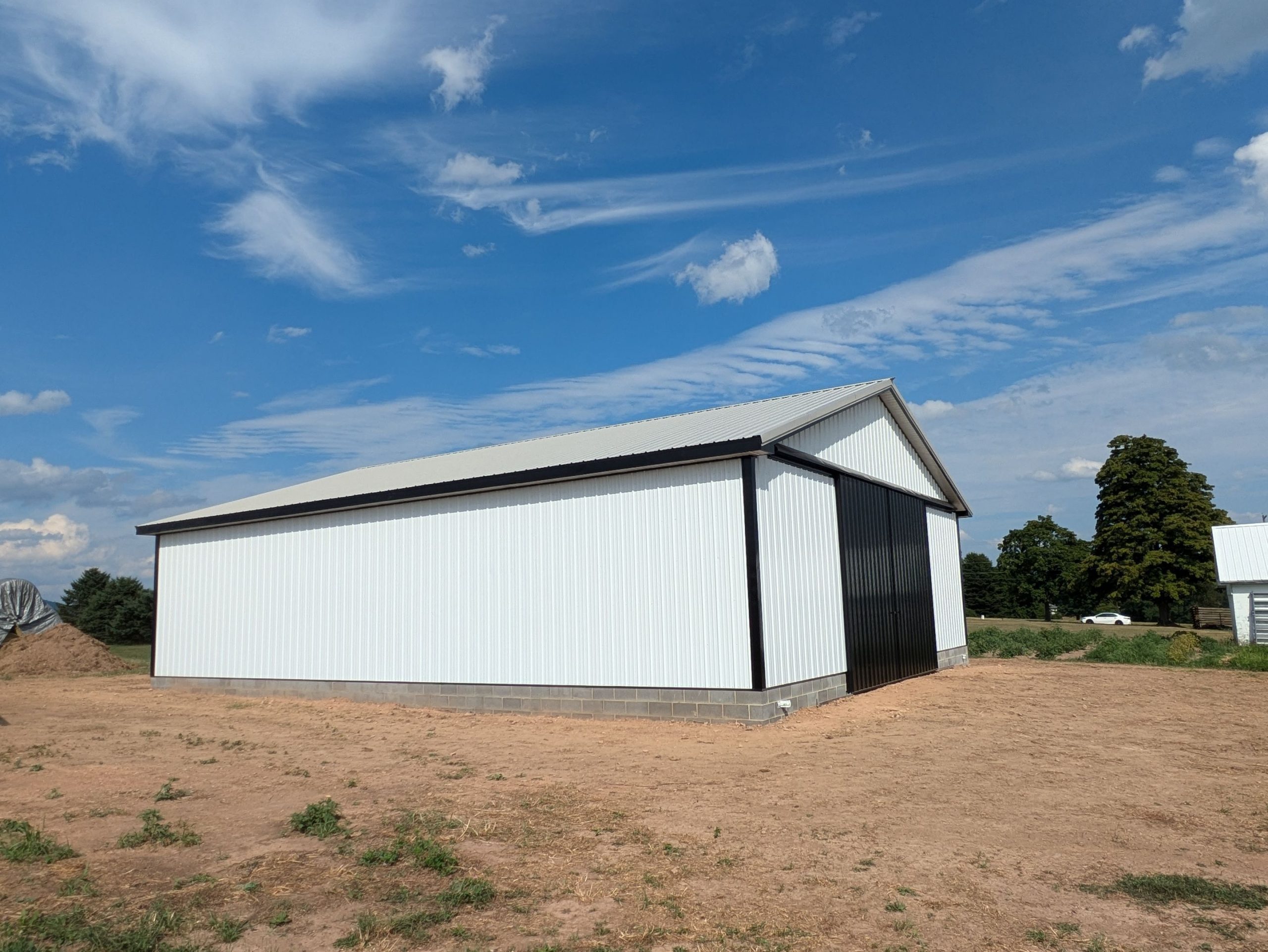
Agricultural pole barns provide Pennsylvania farms with versatile solutions for equipment storage, livestock shelter, and asset protection. This guide examines construction, compliance, and maintenance to ensure farmers understand the benefits and applicable requirements. It describes the main types of agricultural buildings, the construction process, and the permits and regulations required in Pennsylvania. The guide also addresses maintenance practices that extend service life and preserve functionality. Upon completion, readers will hold a thorough understanding of agricultural pole barns and their practical applications on the farm.
An agricultural pole barn is a large, open structure supported by vertical poles and intended for agricultural use. These buildings provide space for equipment storage, livestock shelter, and processing activities. Their functional advantages make them a common selection among Pennsylvania farmers.
Rocky Mountain Contractors specializes in constructing durable, custom agricultural pole barns tailored to the needs of Pennsylvania farms while maintaining compliance with local building codes.
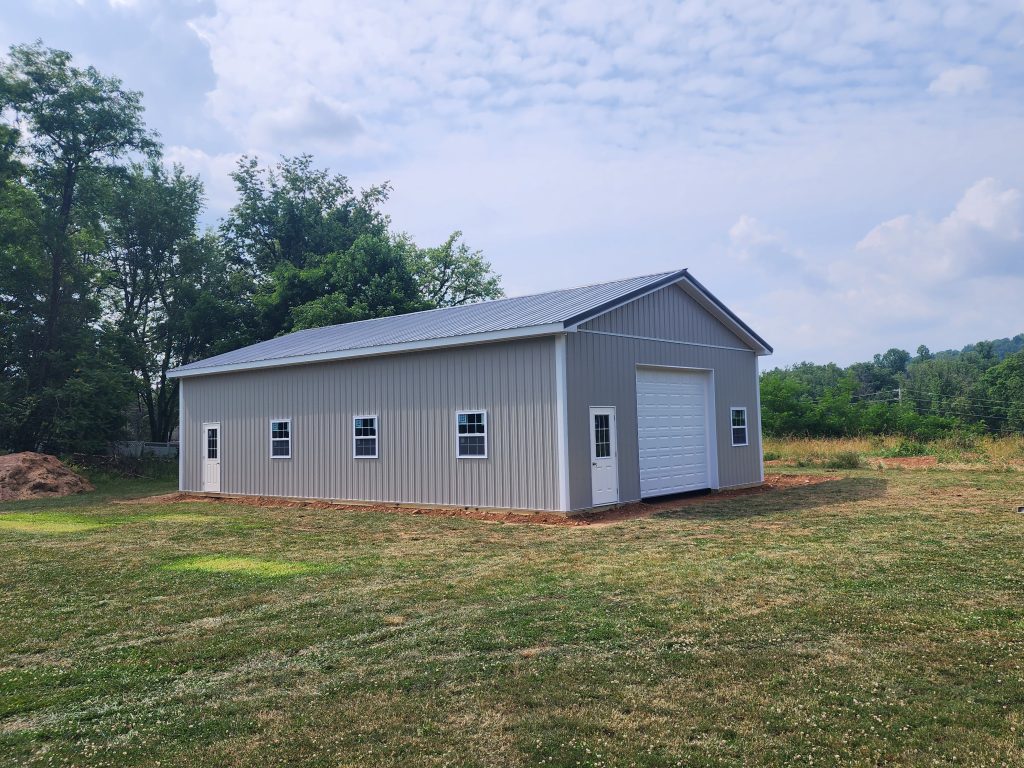
Agricultural pole barns employ vertical poles as the primary support system, permitting wide, unobstructed interior spaces without the need for interior load-bearing walls. This configuration benefits farmers who require adaptable space for a range of agricultural activities. The principal purpose of these barns is to provide shelter and storage solutions that adapt to changing farm requirements.
The key benefits of agricultural pole barns include:
Rocky Mountain Contractors provides expertise in designing and constructing storm-resistant agricultural buildings to protect farmers’ investments.
Pole barn construction in Pennsylvania follows several defined steps to satisfy functional and regulatory requirements. The process typically begins with site preparation, which includes land clearing and grading. Thereafter, poles are installed to serve as the primary structural supports for the building.
Typical materials include treated wood poles, metal siding for durability, and roofing systems selected to withstand local climate conditions. Post-frame construction techniques are commonly employed to permit rapid assembly and design flexibility.
Recent research provides further insight into advanced post-frame construction methods and relevant design considerations.
Post-Frame Building Design & Construction Methods
Abstract. A post-frame building was designed and constructed to evaluate alternative methods for resisting structural loads, controlling heat transfer, fabricating components, and efficient and safe construction. Specifically addressed in this report are a frost-protected shallow foundation, rigid concrete-to-wood post connection bracket, mechlam post fabrication device, prefabricated purlins, on-site lumber drying, post-supported scaffold system, non-powered mobile work platforms, temporary truss spacer-restraint, skid steer loader boom crane, foot ledge for purlin installation, diaphragm trusses, and deep, stepped fascia framing.
Post Frame Building Design and Construction Options, 2018
Project duration varies with size and complexity; a typical pole barn project may require several weeks to a few months. Key phases include:
Awareness of this timeline enables farmers to schedule projects effectively and minimize disruption to operations.
Building permits are required for agricultural construction in Pennsylvania. Permits confirm that proposed construction complies with applicable local zoning ordinances and building codes designed to protect public safety and welfare.
Adherence to local building codes is essential for the safety and longevity of agricultural pole barns. Early engagement with local authorities during planning reduces the risk of costly revisions later in the project.
Certain livestock shelter designs are particularly well suited to Pennsylvania farms. These designs emphasize animal welfare and operational efficiency, providing protection from the elements while facilitating effective management.
Custom agricultural buildings can be configured to accommodate cattle, sheep, poultry, and other livestock. Essential features include adequate ventilation, effective insulation, and sufficient space to support animal health and productivity.
Specialized research provides detailed guidance on optimizing livestock shelter designs for resilience and improved animal welfare.
Livestock Shelter Design for Climate Resilience
Shelter design for different livestock requires modifications to withstand the effects of climate change. Thermal stress mitigation, methane reduction, and optimization of space requirements are major considerations. The chapter discusses suggested modifications to flooring, roofing, heat stress management, waste handling, and disease prevention for various types of livestock.
Shelter design for different livestock from a climate change perspective, P Ambazamkandi, 2015
Key design features that enhance animal welfare include:
Understanding pricing and financing options is essential for farmers planning new agricultural structures.
Several factors influence the cost of constructing a pole barn, including:
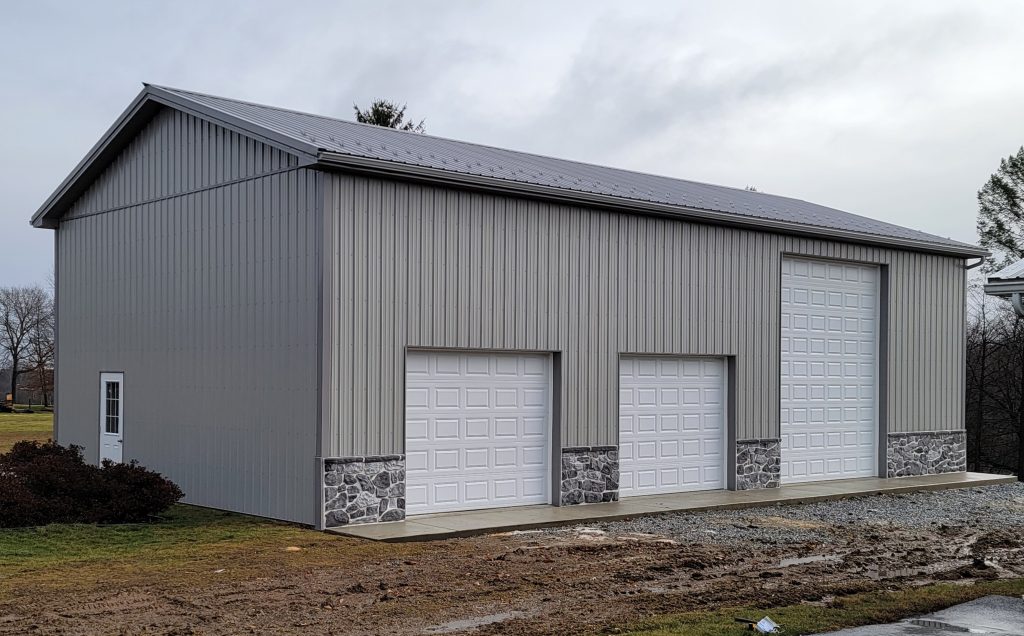
Farmers can explore a range of financing options, including loans tailored to agricultural projects. Rocky Mountain Contractors can assist in identifying financing plans that align with farmers’ budgets and project objectives.
Regularly inspect for damage, clean gutters, check for pests, and apply protective coatings. Address storm damage promptly to keep the barn safe and functional.
Consider land drainage, proximity to farm operations, zoning laws, and environmental impact. Consult local authorities and contractors to ensure suitability.
Use insulation, energy-efficient lighting, natural ventilation, and consider solar panels to reduce energy costs and improve sustainability.
Yes, designs can be tailored with features like ventilation, insulation, and layouts to meet specific farm needs and comply with codes.
Challenges include navigating zoning laws, weather delays, and sourcing quality materials. Planning and experienced contractors help overcome these issues.
Options include agricultural loans, construction financing, and grants. Terms vary, so consult financial advisors to find the best fit.
Use sustainable materials, ensure proper drainage, incorporate energy-efficient designs, and follow local environmental regulations.
Agricultural pole barns offer Pennsylvania farmers a cost-effective, durable, and versatile solution for storage and livestock needs. A clear understanding of the construction process, compliance obligations, and maintenance practices ensures these structures perform effectively and remain serviceable for years. Investment in a well-designed pole barn can improve farm efficiency and protect assets. Rocky Mountain Contractors can support planning and construction to deliver pole barns that meet specific farm requirements.

| Website By ZIMMERMAN | All Rights Reserved